Philanthropy
He works in the open, teaches without fee when the student cannot pay, and answers directly.
Mission
Minhaaj learned the internet on ten-cent hours in rural Pakistan in the 90s, and years later sold newspapers while homeless in Stockholm, so he does not write about access from a distance. His philanthropy follows the same principle as his research and teaching: knowledge kept behind a paywall helps the people who need it least.
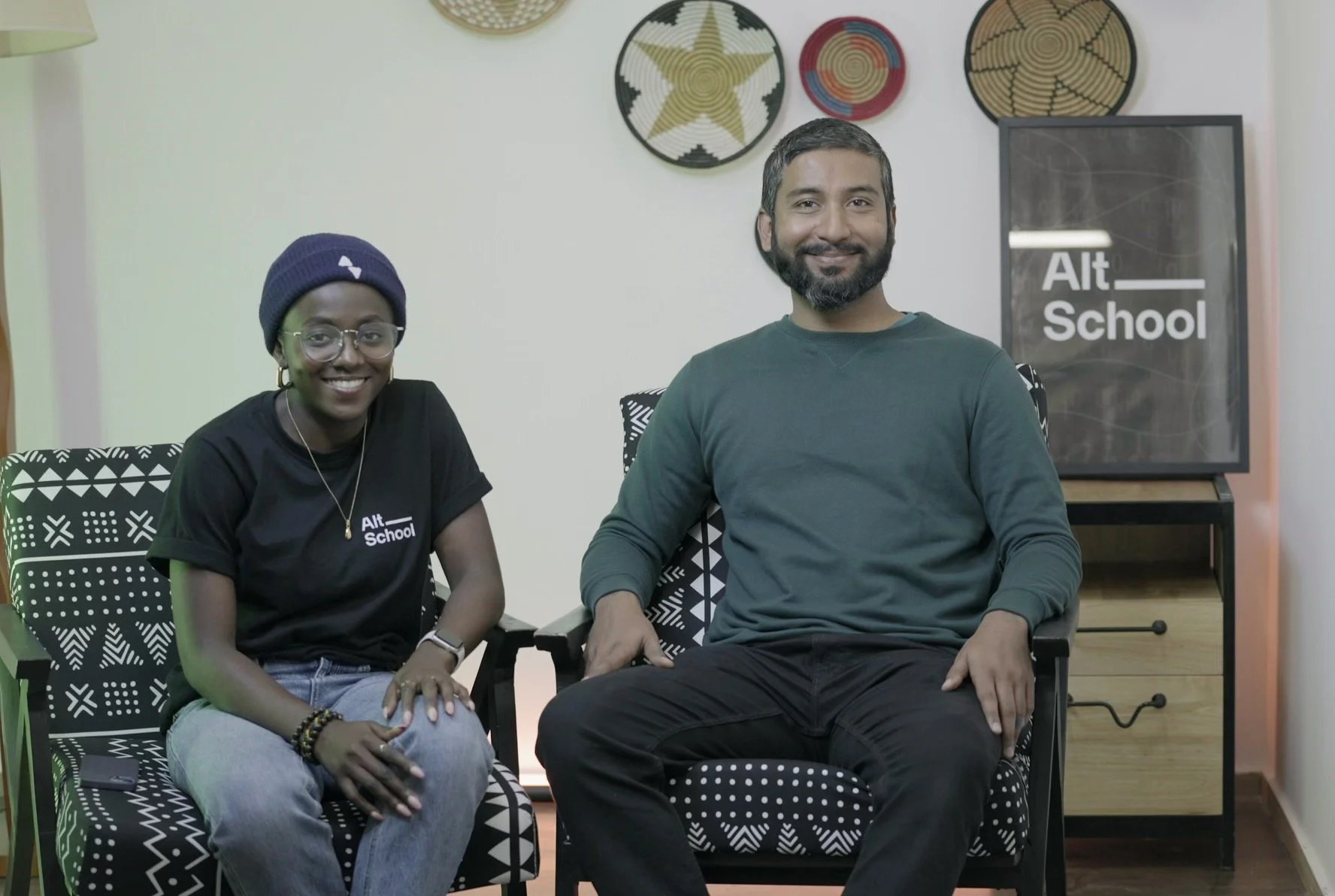
That is why he writes in the open, teaches without fee when the student cannot pay, and backs classrooms in Asia and Africa alongside one-to-one support for students and founders who have no institutional cover. The early record — founding work on Wikipedia in Pakistan, an early board role at WikiEducator, and open-learning presentations at LAMS Sydney in 2008 and WIAOC09 — still describes how he works today.
Core Values
Alongside the open-knowledge work, Minhaaj holds clinical hours as a CBT therapist at alimonline, where the same directness applies: state what is happening, work with what is there. His neurodiversity advocacy follows the same line, from the UN autism awareness panel hosted by Dr. Charlotte Valeur to the Davos 2025 panel with Dr. Maureen Dunne, arguing that inclusion is a question of who gets room, not who gets labeled.
Approach
If you run a school, keep an open-learning project alive, or you are a student or early founder with no backing, state plainly what you need through the contact form. Collaboration and outreach go through the same route, and every message gets a straight answer.